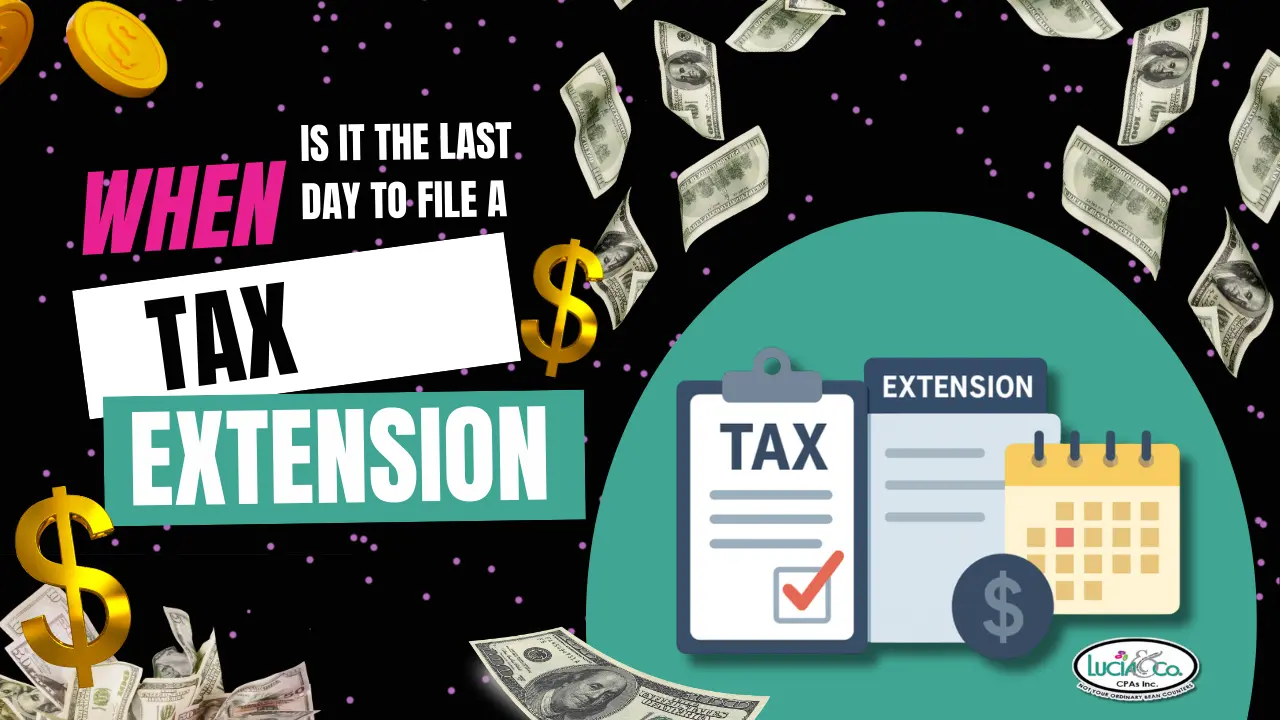
When Is the Last Day to File a Tax Extension?
Main Takeaways
The last day to file a tax extension for individuals is typically April 15th, giving you until October 15th to submit your return
Filing an extension only gives you more time to file, not more time to pay any taxes owed
You can file Form 4868 electronically or by mail to request an automatic six-month extension
Missing the extension deadline can result in late filing penalties, interest charges, and potential IRS enforcement actions
Businesses have different extension deadlines depending on their entity type and tax structure
You don’t need to provide a reason when requesting…
Non Profit Accounting For Charitable Organizations
Main Takeaways
Non profit accounting differs significantly from for-profit accounting because it focuses on accountability to donors and tracking restricted funds rather than maximizing profits
Understanding fund accounting is crucial for nonprofits as it helps track different categories of money with specific purposes and donor restrictions
Form 990 is the annual information return that most tax-exempt organizations must file with the IRS to maintain their nonprofit status
Proper financial statements for nonprofits include the statement of financial position, statement of activities, state…
How Much Payroll Tax Do Employers Pay?
When you decide to hire your first employee, or even your fiftieth, the excitement of growing your team is often met with a bit of a headache: the paperwork. One of the most common questions new business owners ask is exactly how much payroll tax do employers pay to keep their doors open and their staff legally employed. It is not just about the salary you agreed upon during the interview. There is a whole world of hidden costs that sit on top of that hourly rate or annual salary.
Think of payroll taxes like the extra ingredients in a recipe. You have the main dish, which is the wage, but the…
S Corp vs. LLC: Choosing the Right Business Structure for Your Company
Main Takeaways:
Choosing between an S corp vs. LLC is a critical business decision that impacts taxes, compliance, ownership flexibility, and long-term growth.
LLCs offer simplicity and flexibility, providing liability protection, minimal paperwork, and fewer ownership restrictions—ideal for startups and growing businesses.
S corporations can provide significant tax savings by allowing owners to split income between salary and distributions, reducing self-employment taxes.
Reasonable salary rules are a major compliance requirement for S corps, and failing to follow them can trigger IRS audit…
